Dehydrated Skin: Symptoms and Causes
Dehydrated skin is a common concern that is often confused with dry skin. While they share some symptoms, they are two different skin conditions requiring distinct care. Dry skin is a skin type that lacks natural oils (sebum), while dehydrated skin is a temporary state in which the skin lacks water in its surface layers.
At Damalis Skin Clinic London in Wimbledon, we help patients understand these differences, uncover the causes of dehydration, and develop tailored strategies to restore the skin’s moisture and comfort. Whether you have dry skin, oily skin, or combination skin, dehydrated skin can affect anyone.
What Is Dehydrated Skin?
Dehydrated skin refers to skin that lacks water. Unlike dry skin, which is genetically determined and defined by low oil (or sebum) production, dehydrated skin can happen to any skin type, including oily skin.
When the skin’s hydration levels drop, the moisture barrier weakens. This leads to water loss, making skin appear dull, feel tight or itchy, and show fine lines more prominently. It can also paradoxically lead to a breakout as skin overproduces oil to compensate.
Causes and Risk Factors
Dehydrated skin is often caused by environmental, lifestyle, and product-related factors:
- Dry weather and wind
- Central heating or air conditioning
- Long, hot showers or harsh shower gel
- Overuse of stripping cleanser or micellar water
- Inadequate water intake (drink plenty of water daily)
- Recent illness or medication side effects
- Ageing and loss of natural oils
- UV exposure without sun protection or sunscreen
- Aggressive exfoliation that damages the skin barrier
Understanding these factors is vital to preventing and managing skin dehydration.
Symptoms of Dehydrated Skin
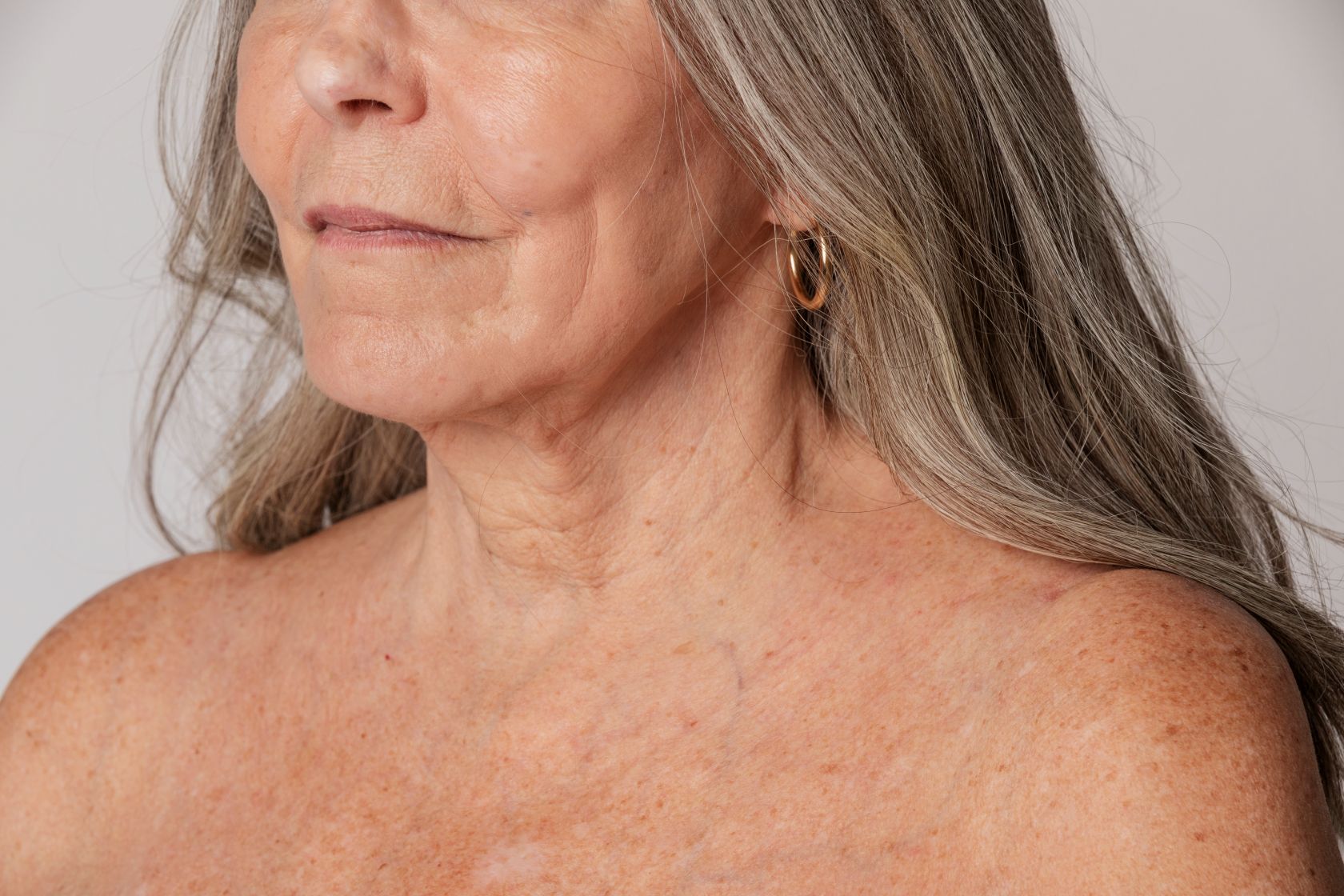
Signs your skin is dehydrated include:
- Tightness and discomfort
- Flaky patches or dry patches
- Dull or tired complexion
- Increased visibility of fine lines
- Rough feel
- Feels tight after cleansing
- Sensitivity or itchy sensations
Unlike dry skin, which is a lifelong type of skin, dehydrated skin is reversible with the right care.
Who Gets Dehydrated Skin?
Dehydrated skin can affect anyone, regardless of skin type, age, or ethnicity. Even people with oily skin can experience dehydration, especially in urban settings like London, where pollution and heating systems are common culprits.
Those with psoriasis or compromised skin barrier function are also more prone to skin dehydration.

Management and Treatment Approaches
Effective management focuses on repairing the skin’s barrier and boosting hydration. General strategies include:
- Switching to gentle cleanser or cleansing balm
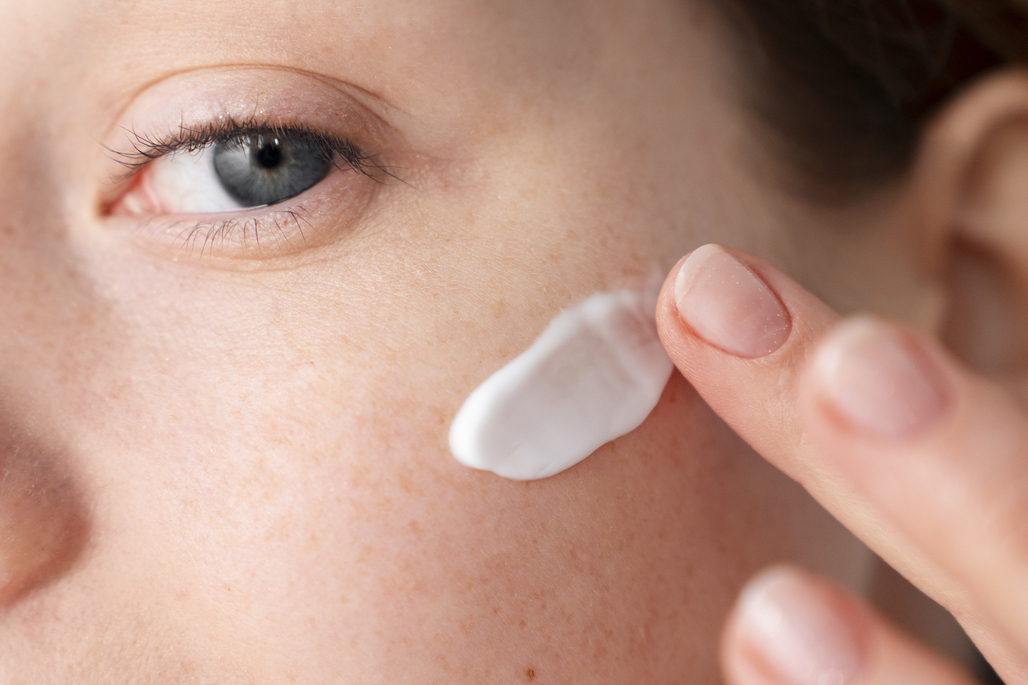
- Adding hydrating gel-cream formulations
- Using a rich moisturiser or balm to seal in moisture
- Including ingredients for deep hydration
- Improving your skin barrier
- Applying sunscreen/spf daily to prevent UV damage
- Making lifestyle changes like avoiding hot showers and increasing water-rich foods and fluids
Our clinic may also recommend tailored skincare products or professional treatments to improve skin’s moisture and resilience.
How Our Clinic Supports Patients
At Damalis Skin Clinic London, we prioritise education, safety, and long-term results. Dr. Steph provides thorough, personalised plans that strengthen your barrier function and maintain hydration.
We help patients make sustainable changes to their skin care routine and choose products that support healthy, hydrated skin—without harshness or irritation.
Benefits of Early Understanding and Management
Identifying and treating dehydrated skin early prevents further dehydration, reduces risk of breakout or irritation, and restores a smooth, glowing complexion. It also reduces visible fine lines, improves comfort, and helps maintain a strong, healthy hydrolipidic film.
READ MOREOther Treatments for Dehydrated Skin at Damalis Skin Clinic London
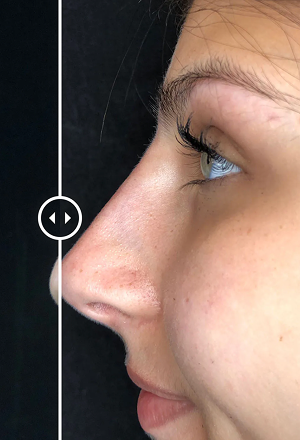
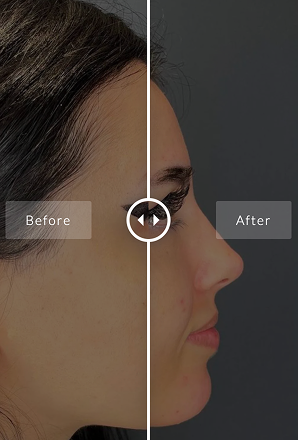
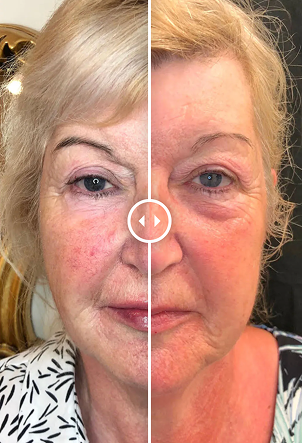
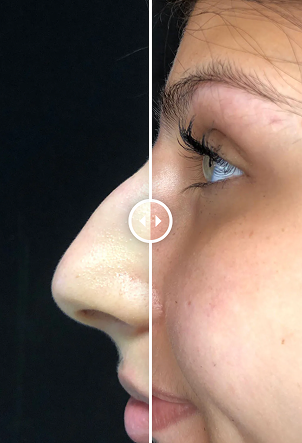
dehydrated skin BEFORE & AFTER
FAQs About Dehydrated Skin
What is dehydrated skin?
It’s skin that lacks water, making it dull, tight, and uncomfortable.
How is it different from dry skin?
Dry skin is a skin type with low oil production. Dehydrated skin is a temporary state that can affect any skin type.
What causes dehydrated skin?
Environmental factors, harsh products, hot showers, inadequate hydration, and UV damage.
Can oily skin be dehydrated?
Yes. Oily skin can still be dehydrated and overproduce oil to compensate.
What are the symptoms?
Tightness, dullness, flaky areas, fine lines, and increased sensitivity.
How is dehydrated skin diagnosed?
Through a professional consultation assessing lifestyle, skincare routine, and clinical examination.
How do you treat dehydrated skin?
Gentle cleansing, hydrating moisturiser, SPF, and lifestyle changes.
Is professional treatment necessary?
It helps ensure accurate diagnosis and a personalised plan.
Can dehydration cause wrinkles?
It can make fine lines more visible and skin appear older.
How long to see results?
Many see improvements within days to weeks with the right plan.