Acne Condition: Symptoms and Causes
Acne is a common skin condition that affects people of all ages—not just teenagers. While it’s often seen as a rite of passage during puberty, acne can continue well into adulthood, causing ongoing frustration, discomfort, and loss of confidence.
At Damalis Skin Clinic London in Wimbledon, we believe understanding the symptoms and causes of acne is the crucial first step toward achieving clearer, healthier skin. We’re committed to guiding our patients through this process with medical expertise, personalised care, and a reassuring, patient-friendly approach.
Understanding Acne: What Is It?
Acne is a common skin condition that develops when hair follicles become blocked by oil and dead skin cells. This blockage traps skin bacteria on the surface of the skin, leading to inflammation, redness, and visible pimples.
The result can range from minor blackheads and whiteheads to inflamed acne with pus-filled lesions or nodular acne that forms painful, deep lumps. Left untreated, severe acne can lead to lasting acne scarring.
Symptoms of Acne
The symptoms of acne can appear in many forms:
- Blackheads and whiteheads (non-inflammatory)
- Papules and pustules (pimples with redness or pus)
- Nodules and cysts (severe form of acne that is deeper and more painful)
These can develop on the surface of your skin in areas of high oil production such as the face, chest, back, and shoulders.
Who Gets Acne?
Acne Affects Everyone—But Not in the Same Way
Acne can affect people of all ages, skin types, and ethnic backgrounds. While it’s most common during the teenage years, adult acne is increasingly common, particularly in women experiencing hormonal fluctuations due to menstrual cycles, pregnancy, or menopause.
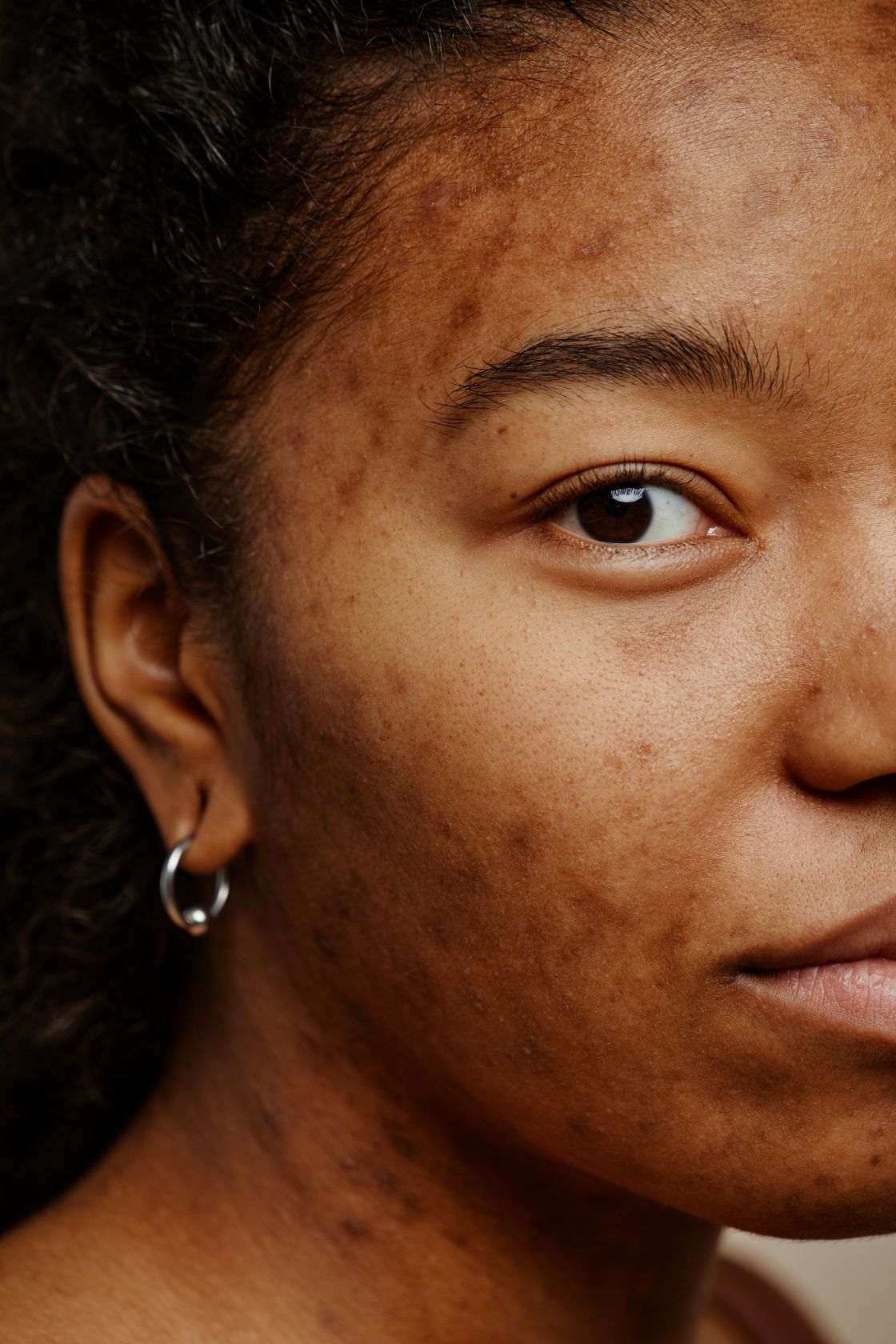
Those with darker skin tones may face additional challenges, such as a higher risk of post-inflammatory hyperpigmentation (PIH) and textural scarring, making tailored treatment and aftercare especially important.
At Damalis Skin Clinic London, we understand that acne is not a one-size-fits-all condition. We offer individualised treatment plans that consider your skin type, age, lifestyle, and underlying triggers—so you get the support and results you deserve.
Causes and Risk Factors
What Really Causes Acne?
Acne isn’t caused by a single factor—instead, it develops due to a complex combination of influences.
Hormonal fluctuations play a major role, especially during adolescence, pregnancy, or in women experiencing menstrual cycle-related breakouts. These changes can stimulate excess oil (sebum) production, which contributes to clogged pores and inflammation.
Genetics are also a key factor. If one or both of your parents had acne, you’re more likely to develop it too.
Other common contributors include:
- Stress, which can affect hormone levels and skin function
- Certain medications, including some types of birth control
- Diet, particularly high-glycaemic or dairy-rich foods, in some individuals
- Comedogenic skincare products that block pores or irritate the skin
- Environmental triggers, such as humidity, sweat, or harsh water
Because acne has multiple root causes, there’s no one-size-fits-all solution. Understanding what’s driving your acne is the first step to creating an effective, personalised treatment plan.
READ MORE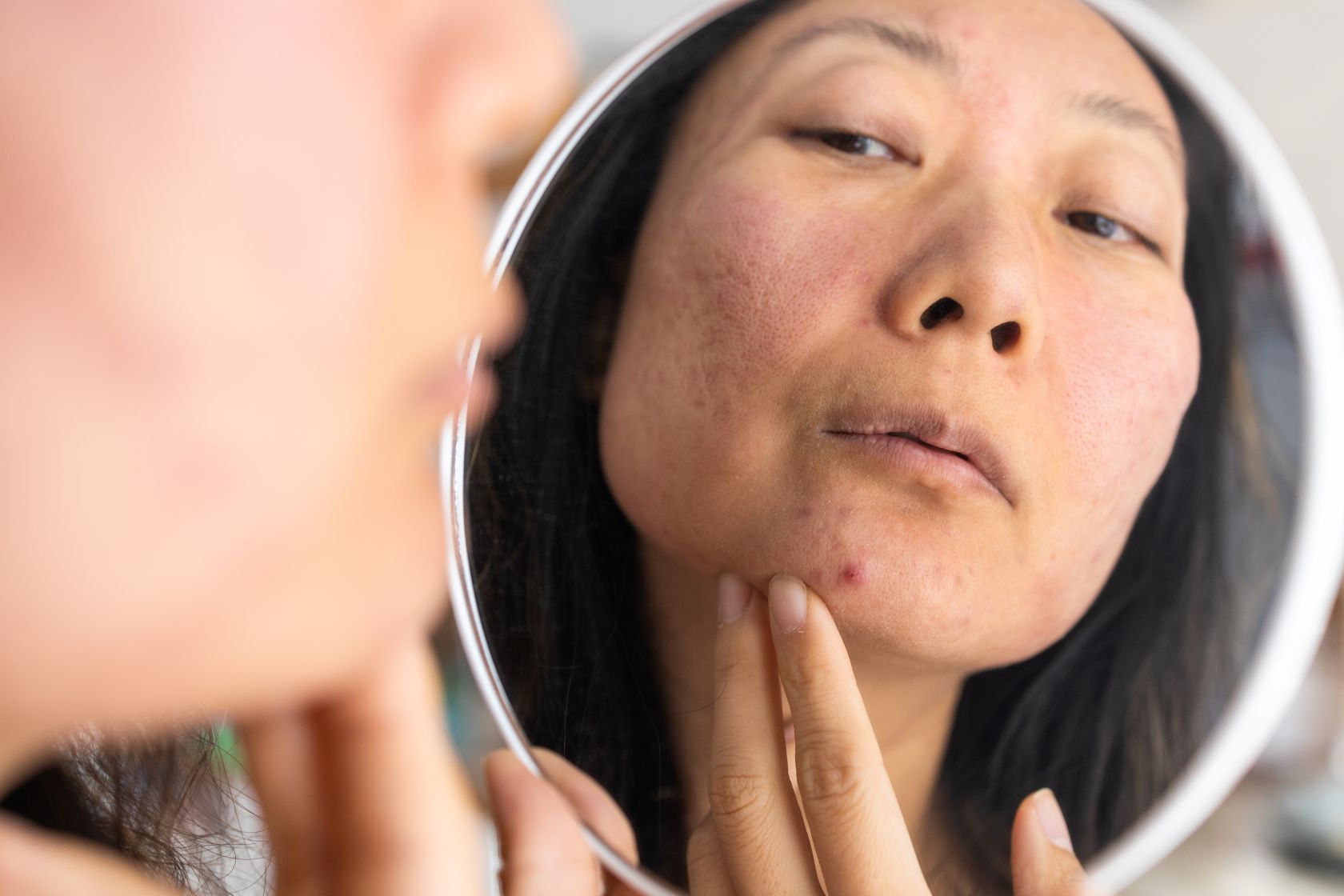
Diagnosing Acne
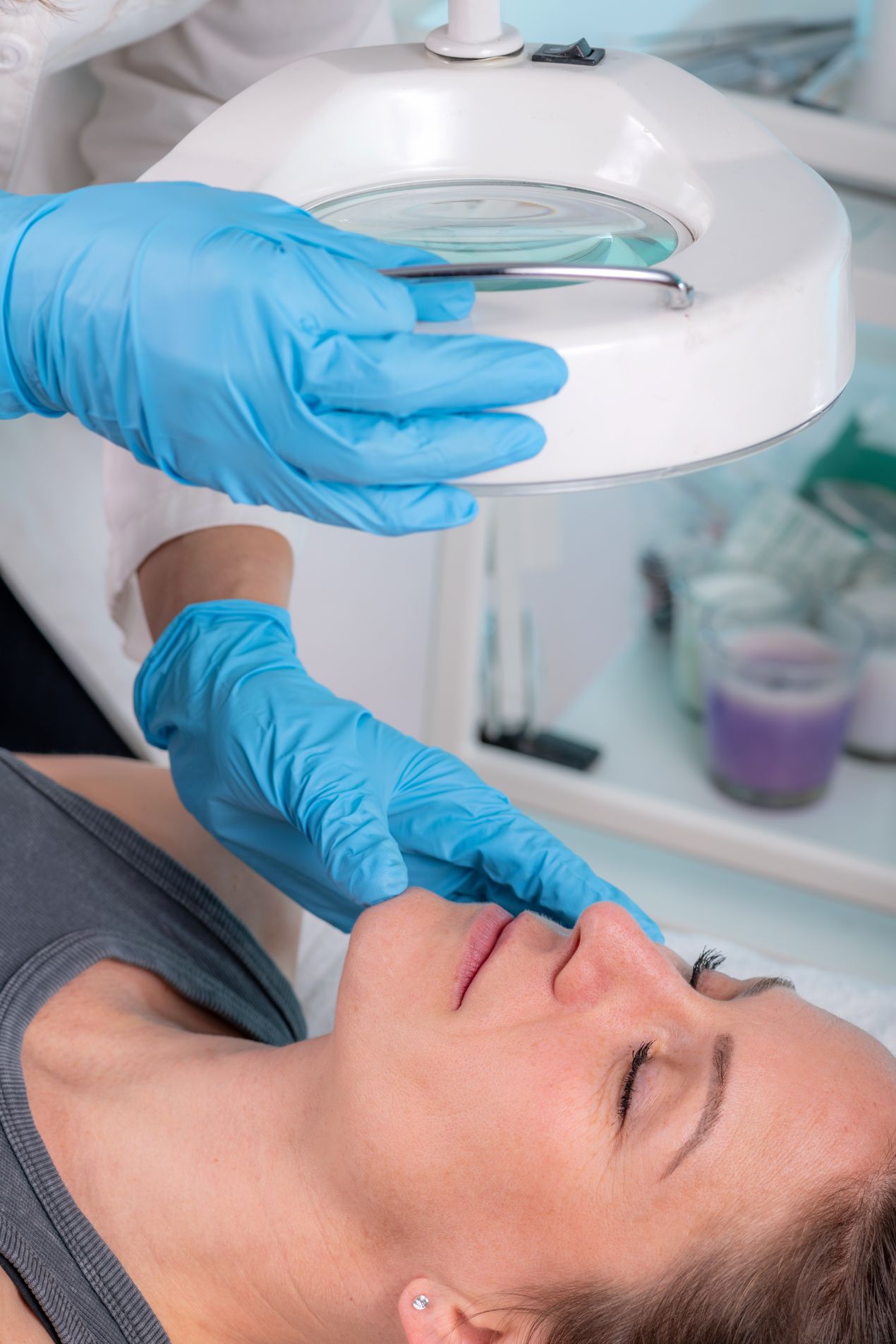
Accurate diagnosis is crucial for effective management of acne vulgaris. At Damalis Skin Clinic London, Your journey begins with a comprehensive consultation. Dr. Steph will carefully assess your face and skin and capture high-resolution images using the renowned OBSERV 520x skin analysis system. Together, we’ll review your medical history, ask about lifestyle and skin care habits that might trigger acne or worsen acne.
By identifying the type of acne (e.g., nodular acne, acne rosacea, mild to moderate acne, severe acne), we can create a plan that is truly personalised.
Management and Treatment Approaches
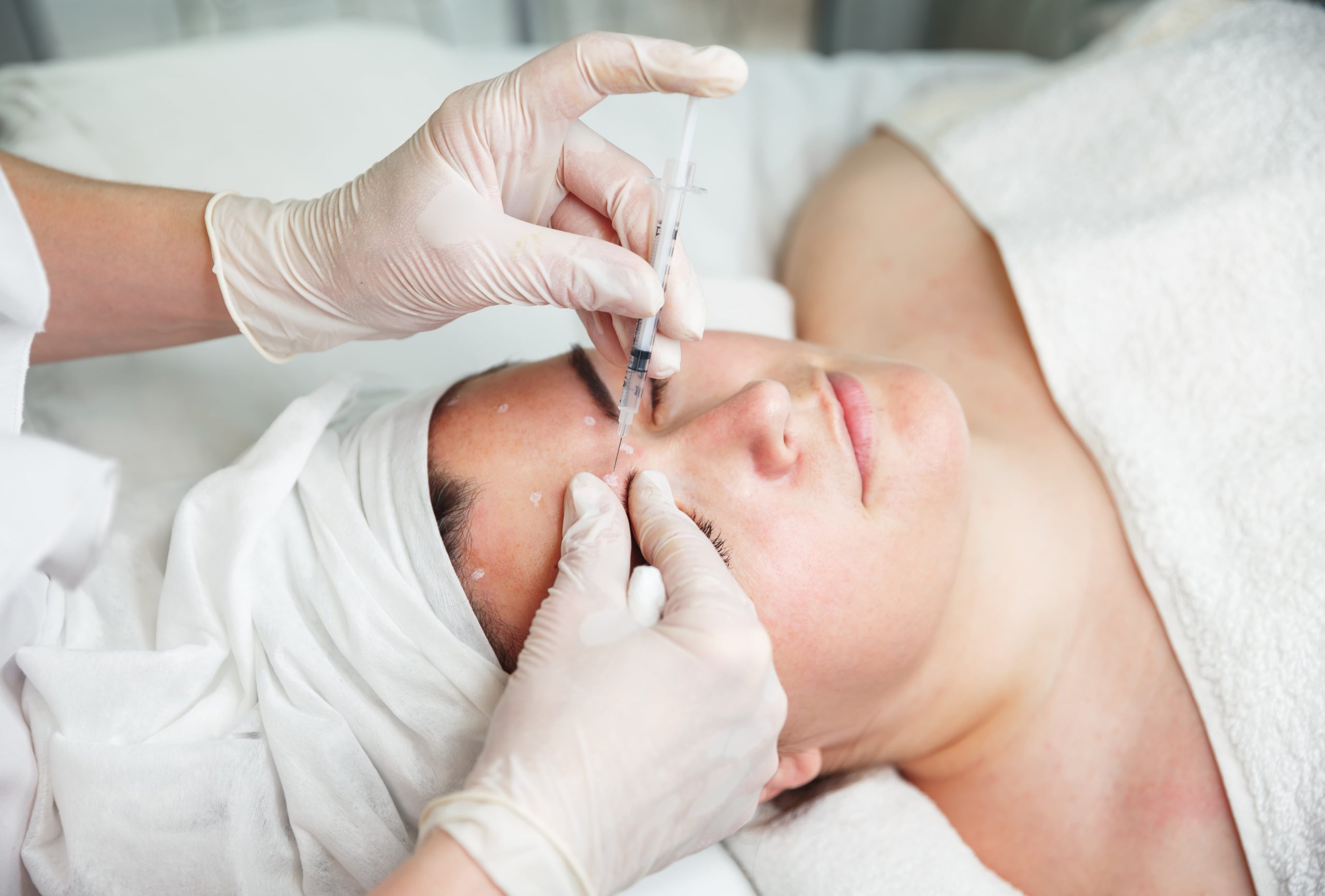
While acne is a common skin issue, effective treatment of acne vulgaris requires more than a one-size-fits-all approach. Damalis Skin Clinic London offers doctor-led, safe, evidence-based options including:
- Prescription acne medication (including antibiotics for acne if necessary)
- Topical acne treatments tailored to your skin
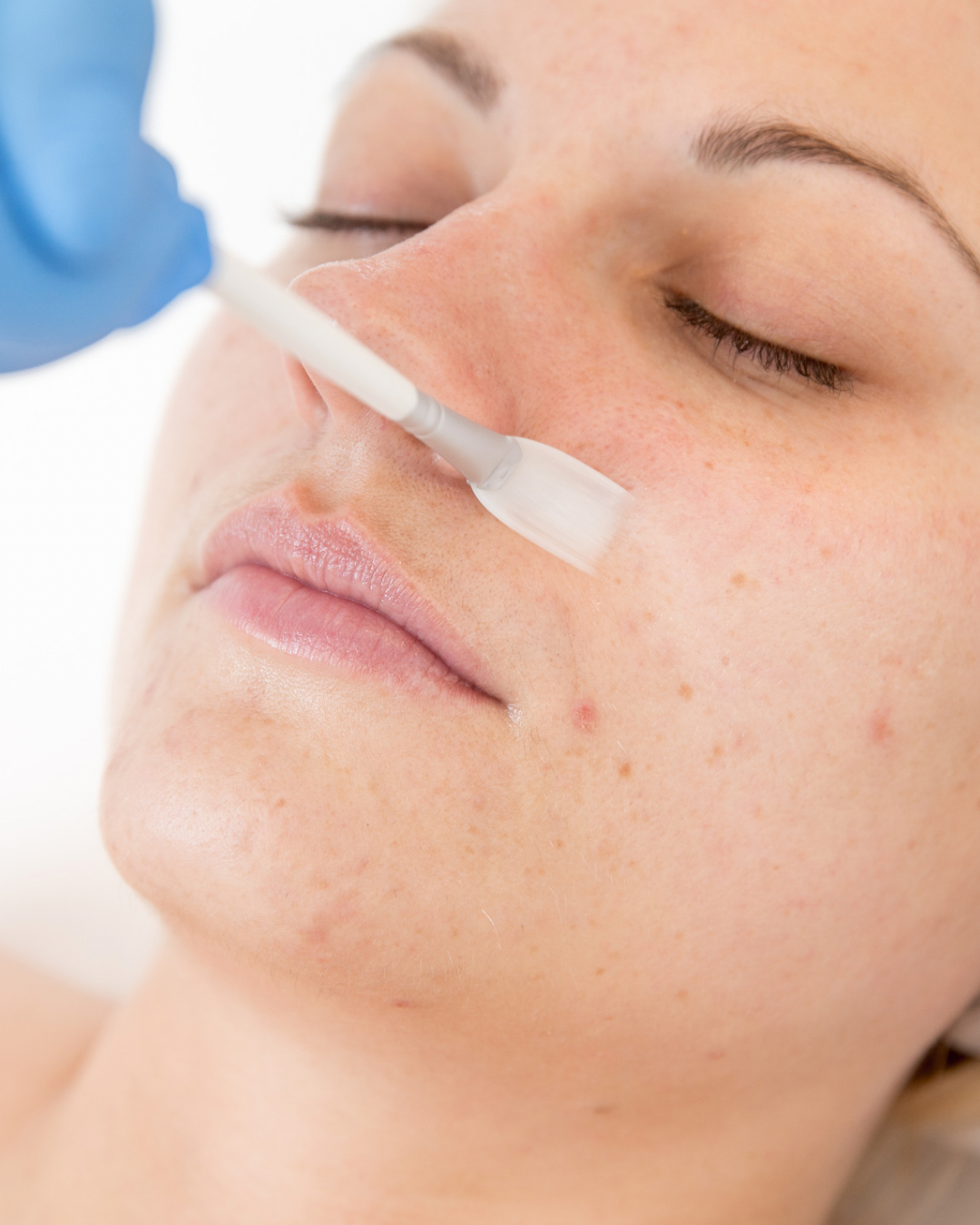
- In-clinic procedures like chemical peels
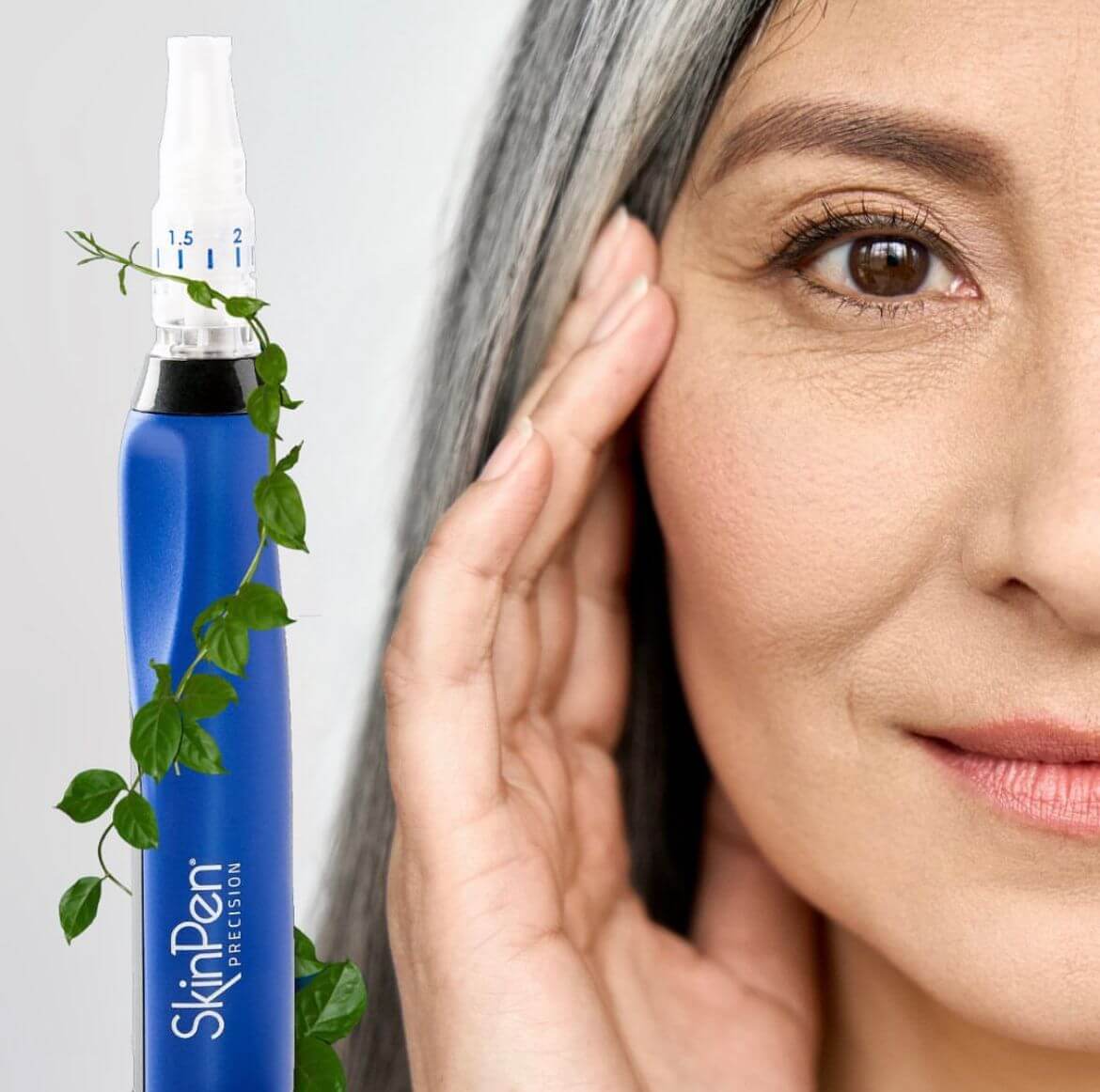
- Microneedling to reduce acne scarring and improve texture
- Personalised skin care guidance to reduce irritation and help prevent acne
Our approach is designed to improve your acne gradually and sustainably, minimising side effects while maximising results.
READ MORE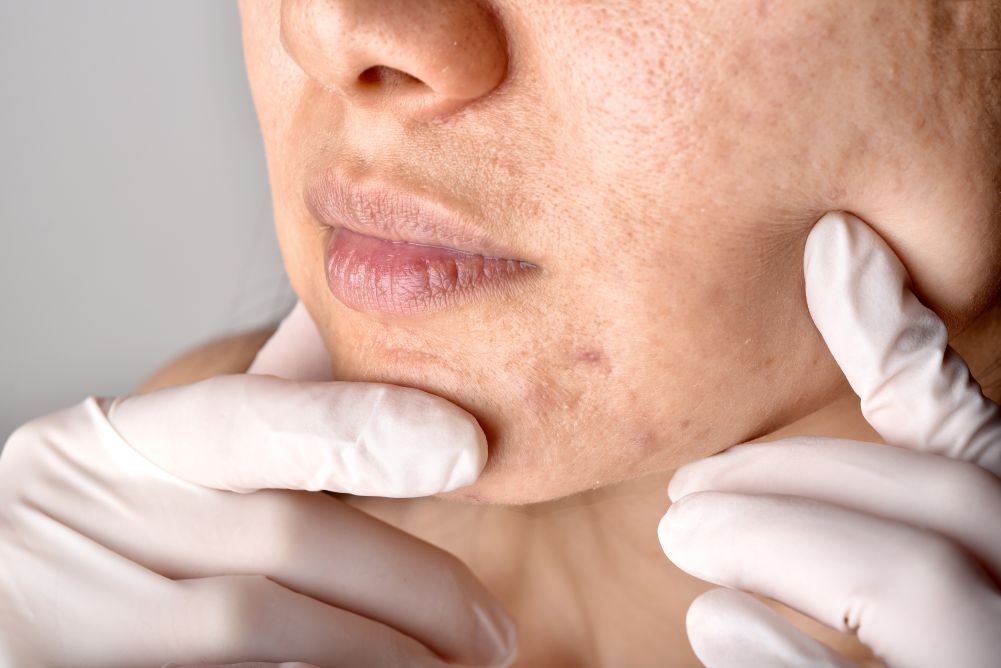
How Our Clinic Supports Patients
At Damalis Skin Clinic London, Dr. Steph leads all acne management with a highly personalised, doctor-led approach. She takes time to understand not just your skin conditions, but also your goals and concerns.
You’ll receive practical advice, compassionate care, and ongoing support throughout your treatment journey. Our focus is on safe, natural-looking improvements that restore confidence without overpromising quick fixes.
Benefits of Early Understanding and Management
Early Awareness Is Key to Clearer Skin
Recognising the early signs and causes of acne can help you avoid common triggers, choose the right skincare products, and seek timely professional support. Early and effective management not only reduces the frequency and severity of breakouts but also minimises the risk of scarring and promotes long-term skin health.
At Damalis Skin Clinic, we empower you with personalised guidance and evidence-based treatments—so you can feel confident in your skin every step of the way.
Other Treatments for Enlarged Pores Offered at Damalis Skin Clinic London

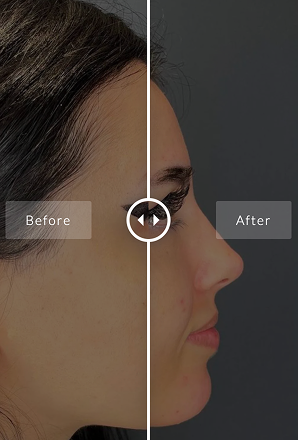
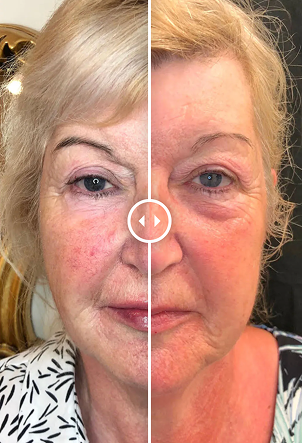
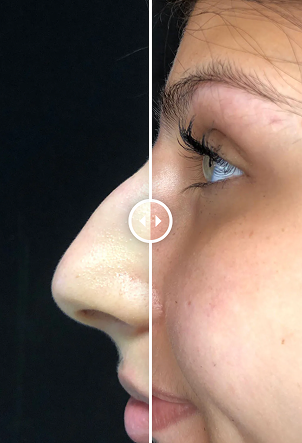
Acne BEFORE & AFTER
FAQs About Acne
What is acne?
A common skin condition where hair follicles get blocked with oil and dead skin cells, causing inflammation and pimples.
What causes acne?
Hormonal changes, genetics, stress, certain medications, and skincare products that irritate the skin can cause acne.
Can adults get acne?
Yes, adult acne is common, especially among women experiencing hormonal fluctuations.
What are the types of acne?
Blackheads, whiteheads, papules, pustules, nodular acne, cystic acne, and acne rosacea.
How is acne diagnosed?
Through a consultation assessing affected skin, history, lifestyle, and skin conditions.
What treatments are available?
Topical acne treatments, prescription medication, peels and microneedling
Can acne cause scars?
Yes, untreated severe acne can lead to acne scarring.
How can I prevent acne?
Gentle skin care, managing stress, avoiding triggers, and professional advice.
Is treatment safe?
Yes. Our doctor-led approach ensures safety and evidence-based care.
How soon will I see results?
Many people see improvements within weeks to months with consistent treatment.