Enlarged Pores: Symptoms and Causes
Enlarged pores are a common skin concern for many people. These visible openings in the skin can make skin texture appear uneven, contribute to acne, and even affect self-confidence. While it’s normal to have pores—after all, they’re essential for healthy skin—pores can appear larger due to a combination of genetics, oil production, ageing, and environmental factors.
At Damalis Skin Clinic London in Wimbledon, we help patients understand the real causes of enlarged pores, how to reduce their appearance safely, and how to achieve smoother, clearer, more radiant skin.
What Are Enlarged Pores?
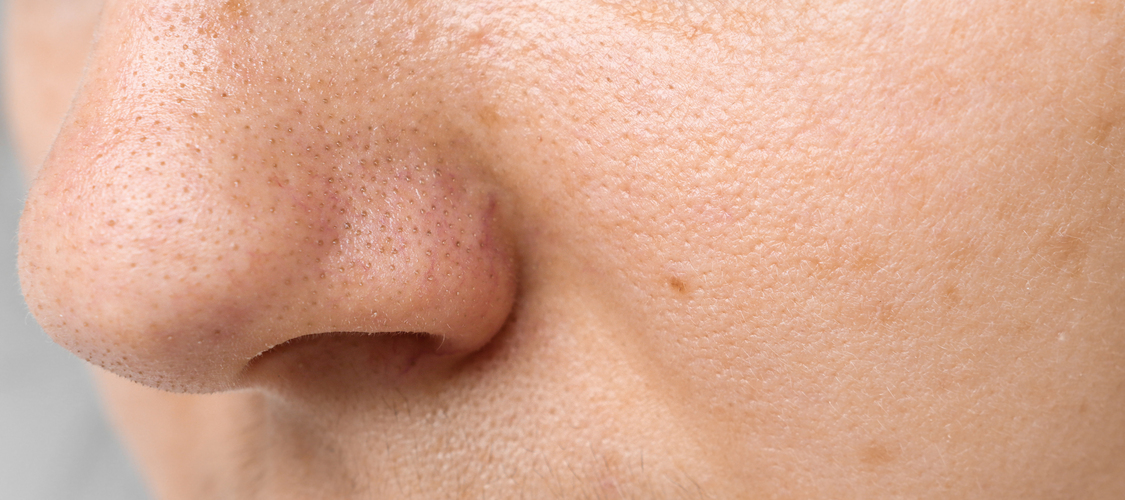
Enlarged pores are visible openings in the skin that look bigger than normal. While everyone has pores, they release oil (or sebum) and sweat to the skin’s surface—some people notice larger pores that are more visible, especially across their face on the cheeks, nose, and forehead.
Pores themselves don’t open or close like doors, but they can look larger if they’re clogged with dirt and dead skin, filled with oil, or surrounded by sagging skin.
Symptoms and How Enlarged Pores Present
Enlarged pores on your face often show up as uneven, textured areas that are especially noticeable in bright light or when makeup settles in them. Patients often describe:
- Uneven skin textur
- Make-up settling in the pores
- Oiliness that makes pores look larger
- Frequent blackheads or acne from clogged pores
- Dull complexion
Causes and Risk Factors
Several factors make your pores look larger:
- Excess sebum production (oily skin)
- Buildup of dead skin cells that clog pores
- Age-related loss of collagen and elastin, leading to sagging skin
- Sun damage that reduces skin elasticity
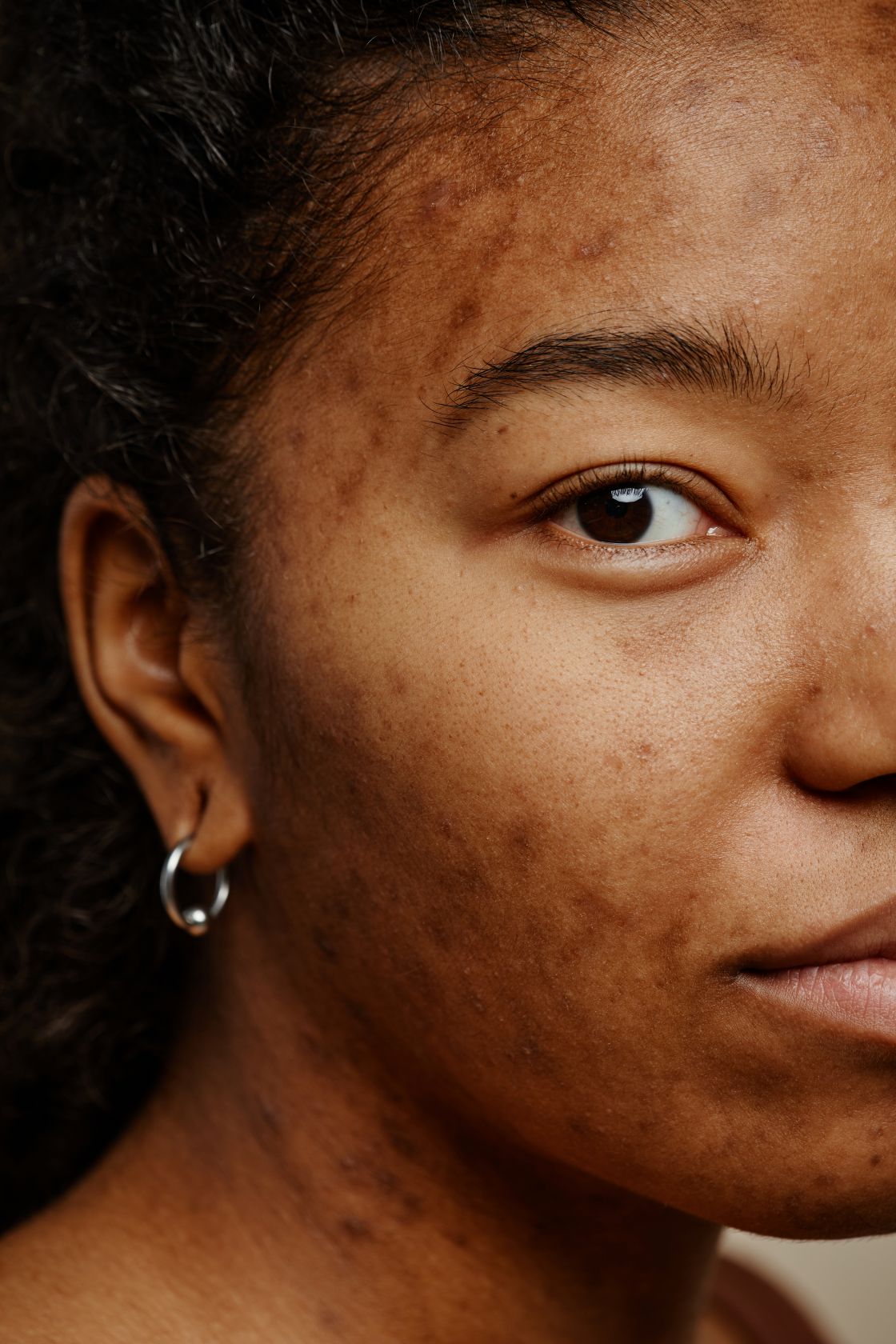
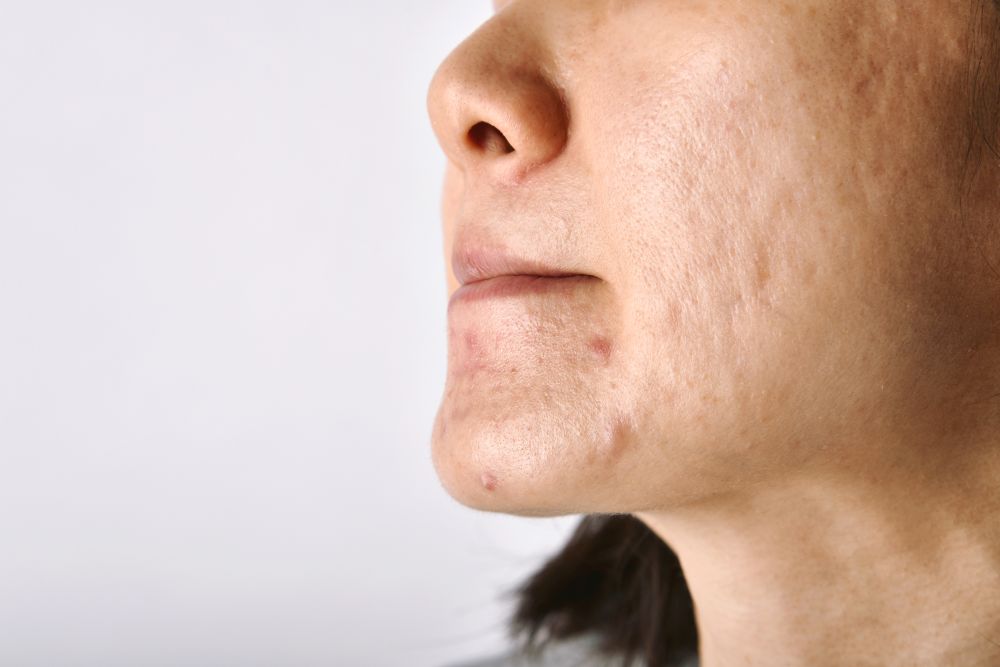
- Past acne and skin inflammation
- Genetics and skin type and non mineral make up
How It’s Diagnosed
At Damalis Skin Clinic London, Dr. Steph will examine your skin thoroughly during your consultation and capture high-resolution images using the renowned OBSERV 520x skin analysis system.
She’ll assess factors like oil production, past acne, skin care routine, sun exposure, and lifestyle. An accurate diagnosis and treatment plan is essential for choosing the best approach to minimise and reduce the appearance of large pores safely.
Management and Treatment Approaches
Effective care focuses on reducing oiliness, clearing blockages, supporting skin’s texture, and boosting collagen and elastin to tighten sagging skin. At Damalis Skin Clinic London, our strategies include:
- Medical-grade cleanser to gently cleanse your face and unclog pores
- Chemical exfoliants like AHAs and salicylic acid to exfoliate your skin and remove dead skin cells
- Professional in-clinic options:
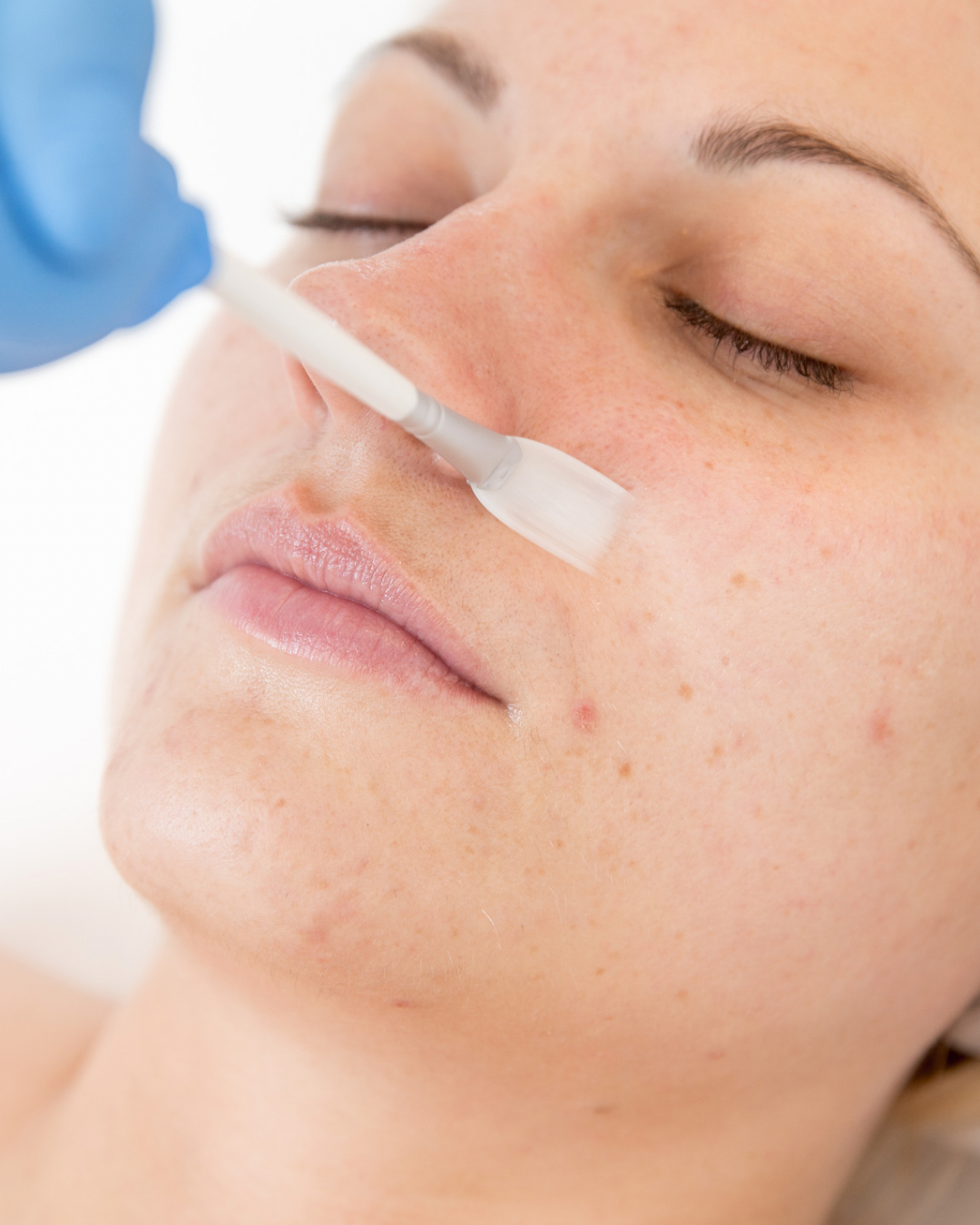
- Chemical peels to refine skin texture
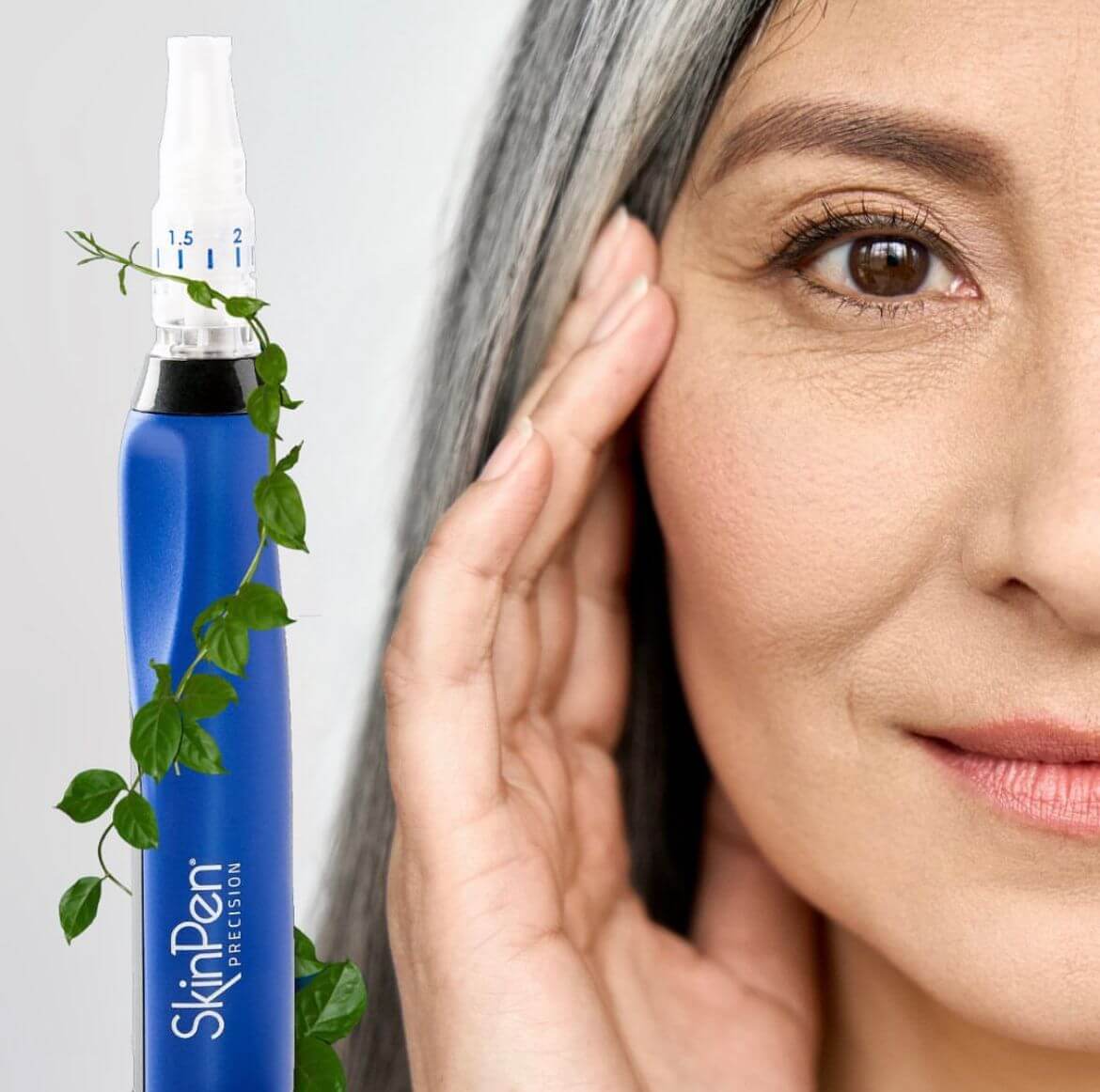
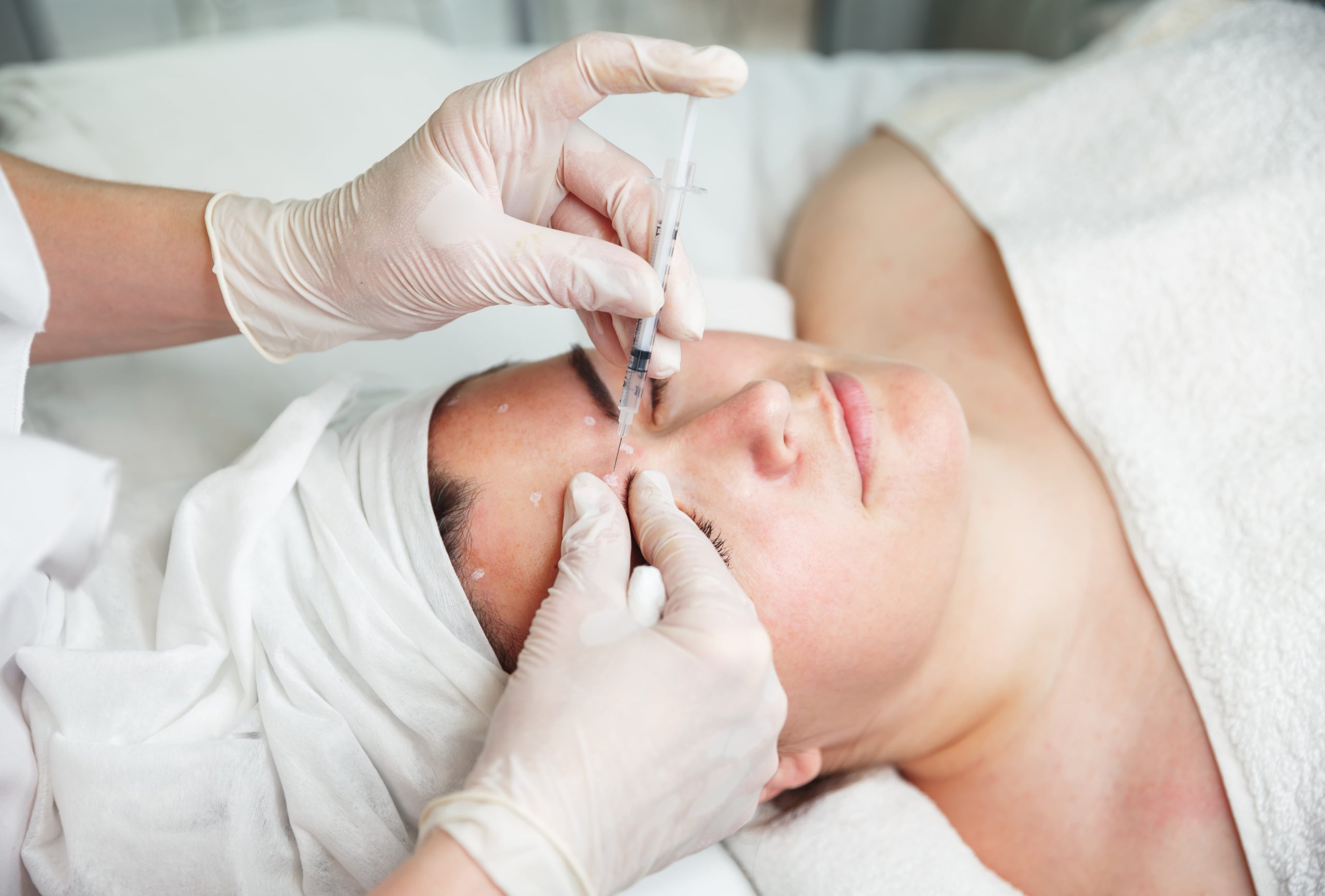
- Microneedling to boost collagen and elastin
- Personalised skin care planning to avoid products that clog your pores
Dr. Steph creates every plan personally, ensuring safety and natural-looking, long-lasting improvements.
Benefits of Understanding and Managing Enlarged Pores Early
Early understanding helps you:
- Prevent clogged pores and breakouts
- Maintain smooth, even skin texture
- Reduce the risk of acne scarring
- Support youthful skin elasticity
- Choose skincare routines that keep your pores clean and healthy
Other Treatments for Enlarged Pores Offered at Damalis Skin Clinic London
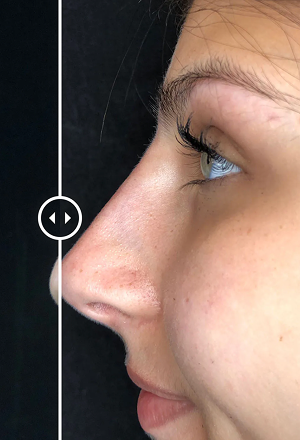
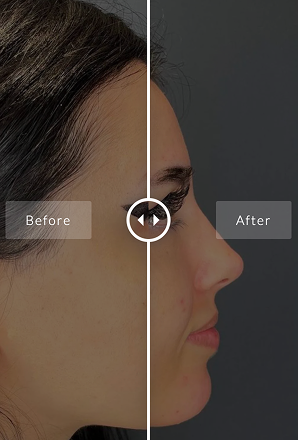
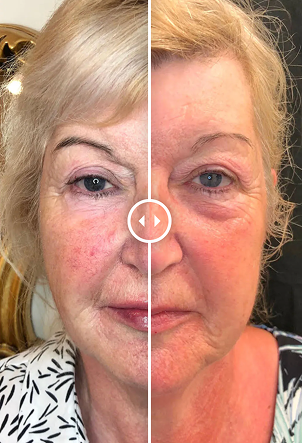
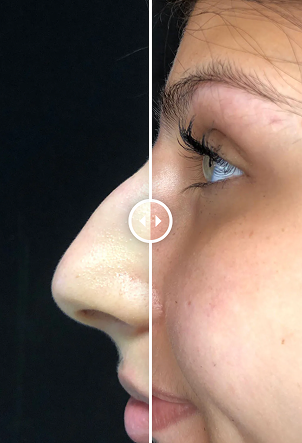
Enlarged pores BEFORE & AFTER
FAQs About Enlarged Pores
What causes enlarged pores?
Excess oil, dead skin cells, sun damage, genetics, and ageing.
Can oily skin make pores look larger?
Yes. Excess sebum can clog pores and make them appear larger.
How can I reduce the appearance of large pores?
Proper cleansing, exfoliation with AHAs or salicylic acid, and professional treatments.
Are enlarged pores permanent?
You can’t close pores, but you can minimise their appearance.
Can acne make pores bigger?
Yes. Acne and inflammation can damage the pore walls over time.
Does age affect pore size?
Yes. Ageing reduces collagen and elastin, leading to sagging skin and larger pores.
Is exfoliating good for enlarged pores?
Yes, gentle exfoliation with acids (not scrubs) helps remove dead skin cells and prevents blockages.
What treatments help with large pores?
Chemical peels, microneedling, and professional skincare planning.
How often should I cleanse my face?
Twice daily with a gentle cleanser to keep your pores clean.
Is professional treatment necessary?
For persistent issues, yes—it ensures safe, effective, personalised care.