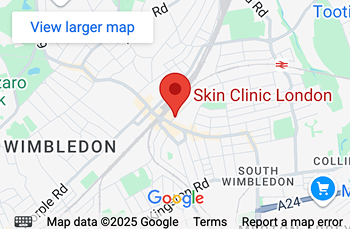
Hyperpigmentation Treatment in Wimbledon, London
Hyperpigmentation is a common skin condition characterised by patches of skin that appear darker than the surrounding areas. At Damalis Skin Clinic in Wimbledon, we understand how hyperpigmentation can impact your self-esteem, and we’re dedicated to helping you regain your natural glow with safe, personalised treatments..
Book now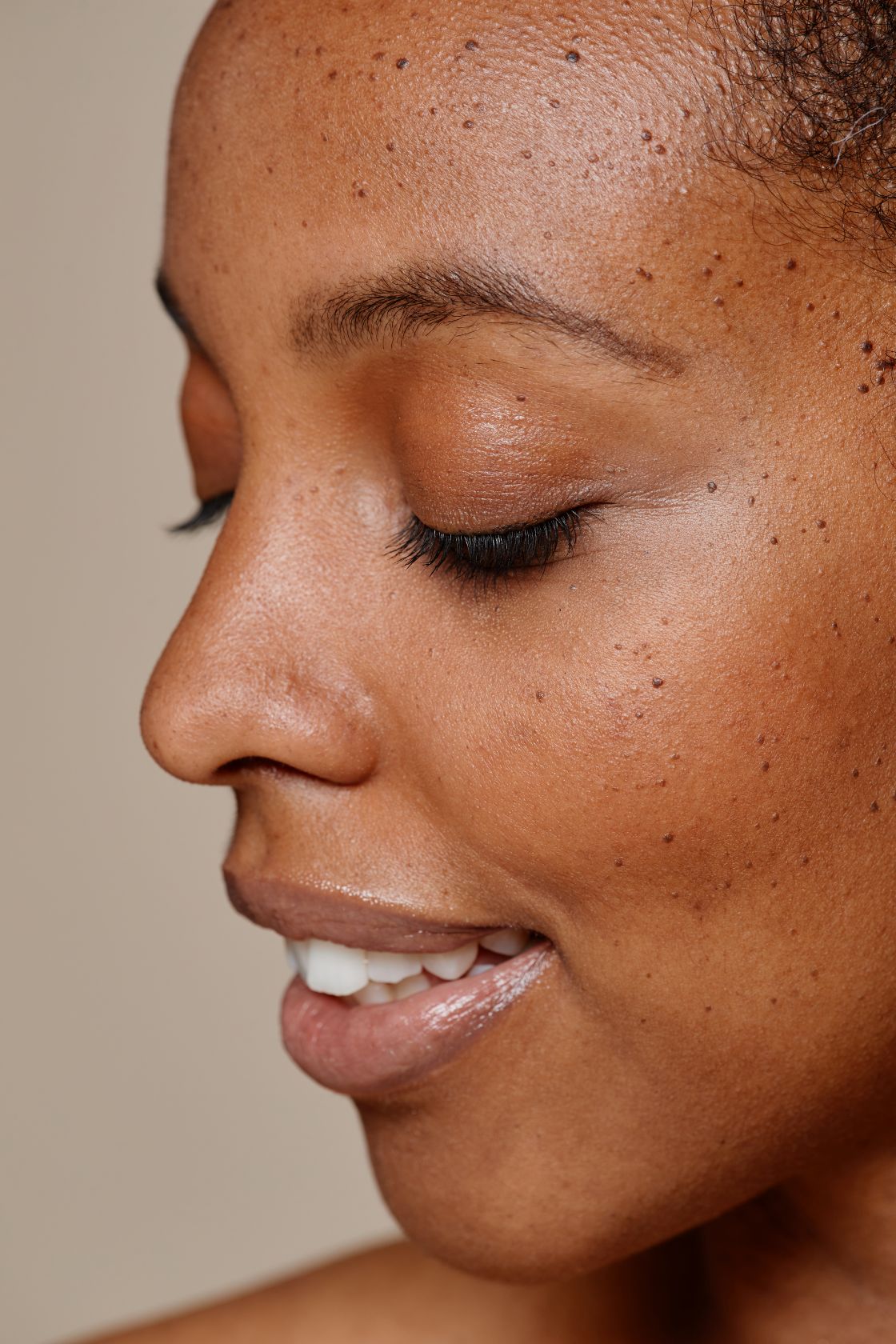
What is Hyperpigmentation?
Hyperpigmentation occurs when your skin produces excessive melanin, the pigment responsible for your skin tone. This leads to dark spots or patches known as pigmentation or skin discolouration. Common examples include melasma, age spots, and post-inflammatory hyperpigmentation, which can occur after skin inflammation or injury.
Who is Affected?
Anyone can experience hyperpigmentation, but it’s particularly prevalent in people with darker skin tones due to higher melanin production. Lighter skin tones may experience res or pink skin discolouration. Women experiencing hormonal changes (during pregnancy or menopause( or individuals frequently exposed to the sun are also at higher risk.

Causes and Risk Factors
Hyperpigmentation can be caused by various factors:
These changes happen gradually:
Sun Exposure:
Frequent UV exposure accelerates melanin production, causing age spots.
Hormonal Changes:
Conditions like melasma often arise during pregnancy or hormonal treatments.
Skin Trauma:
Injuries, acne, or inflammatory skin conditions can trigger post-inflammatory hyperpigmentation.
Medical Conditions:
Disorders like Addison’s disease or other pigmentation disorders can also cause hyperpigmentation.
READ MORE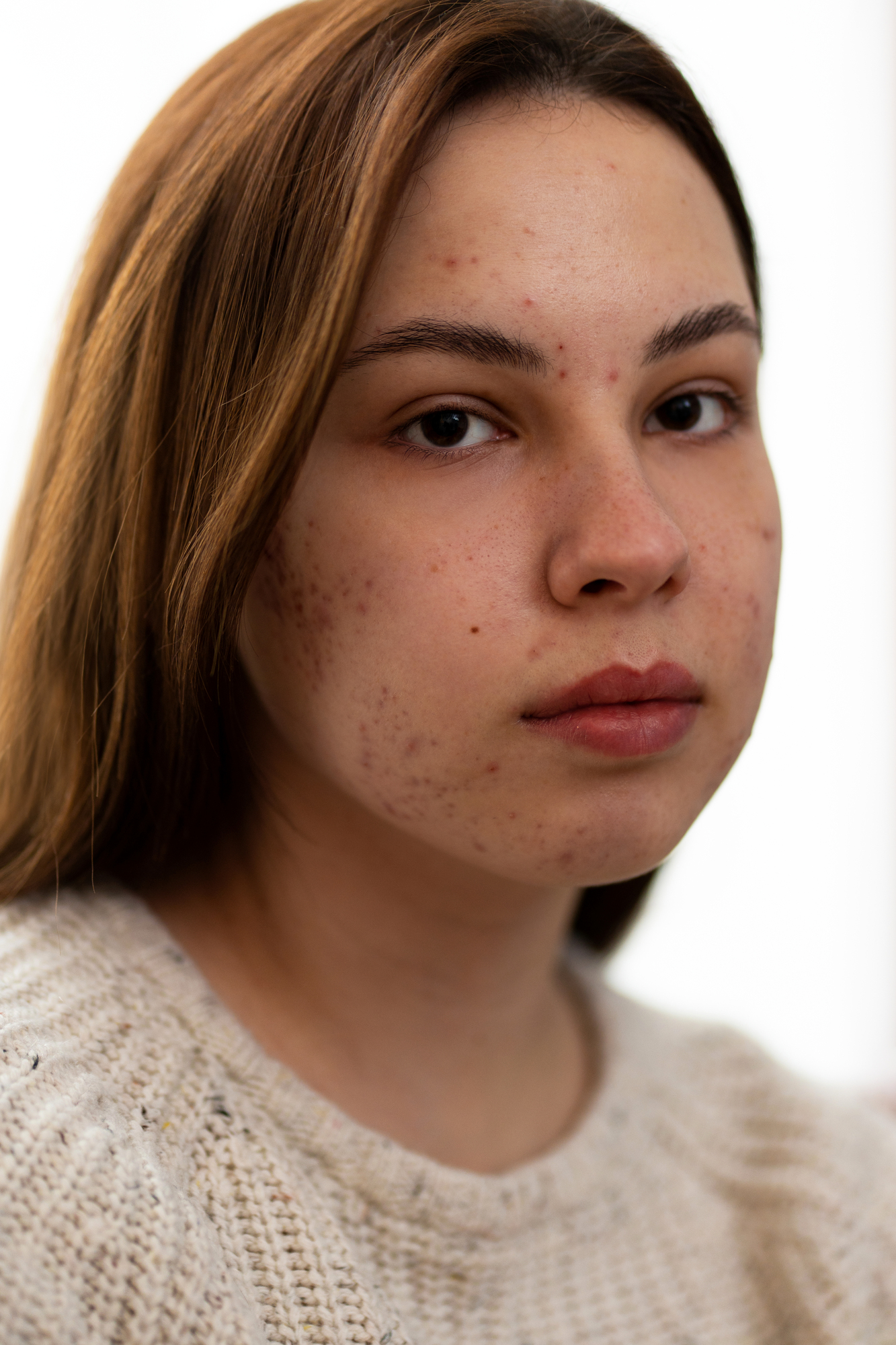
Diagnosing Hyperpigmentation
At Damalis Skin Clinic, our expert dermatologist, Dr. Steph, conducts thorough consultations. She carefully examines your skin, assesses your medical history, and identifies the type of hyperpigmentation you have, ensuring a precise, personalised diagnosis. Our clinic utilises the Observe 520X skin analysis machine to diagnose, track and monitor the progress of your treatments. This cutting-edge technology allows us to assess your skin at multiple layers and provides us with accurate, data-driven insights, ensuring that every treatment is precisely tailored to your needs. With the Observe 520X, we can track improvements over time, offering you a clearer view of your skin’s transformation.
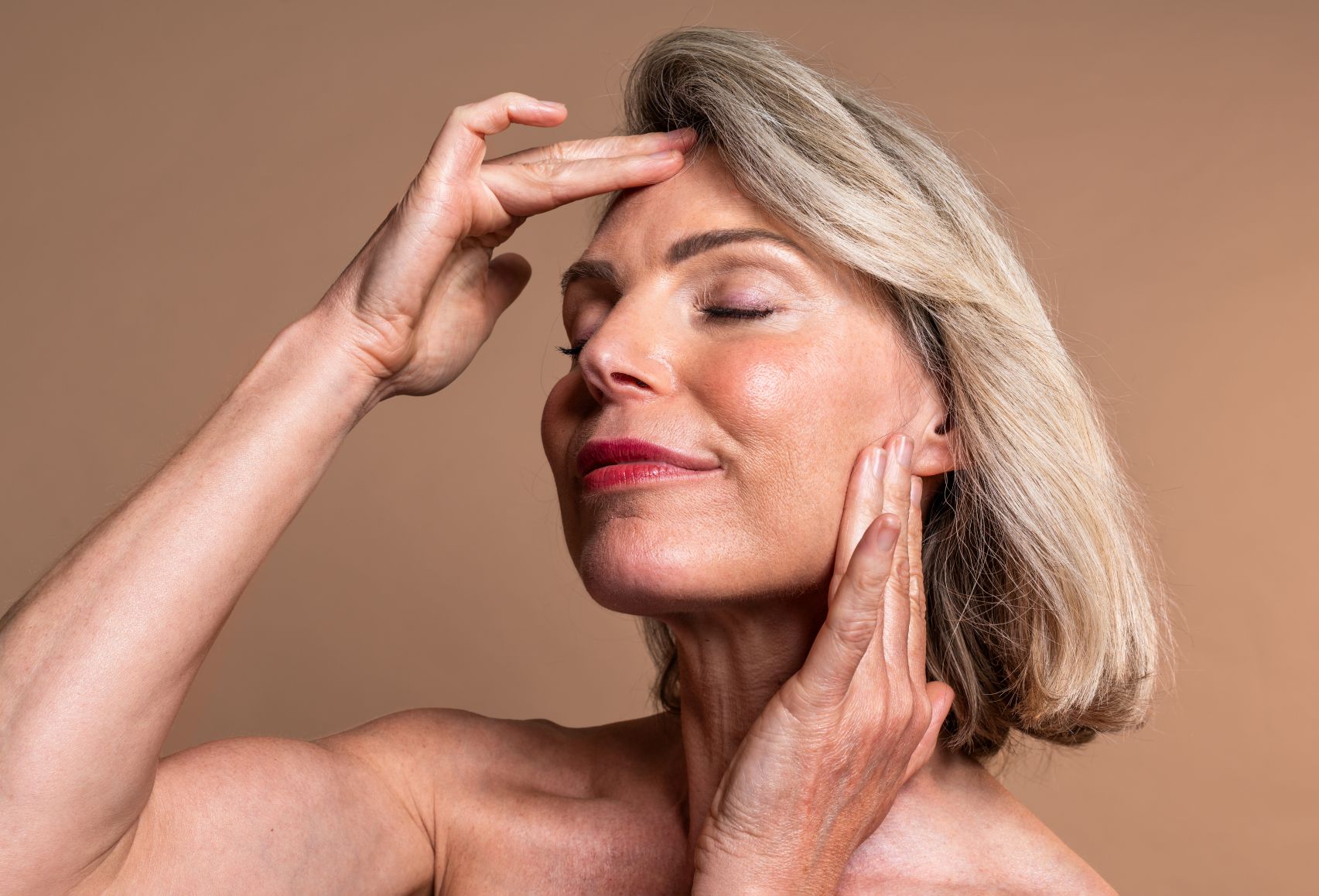
Managing and Treating Hyperpigmentation
Effective management involves both professional treatments and careful skin care routines:
- Topical Creams: Prescription-grade creams help lighten hyperpigmentation by reducing melanin in the skin and increasing cell turnover.
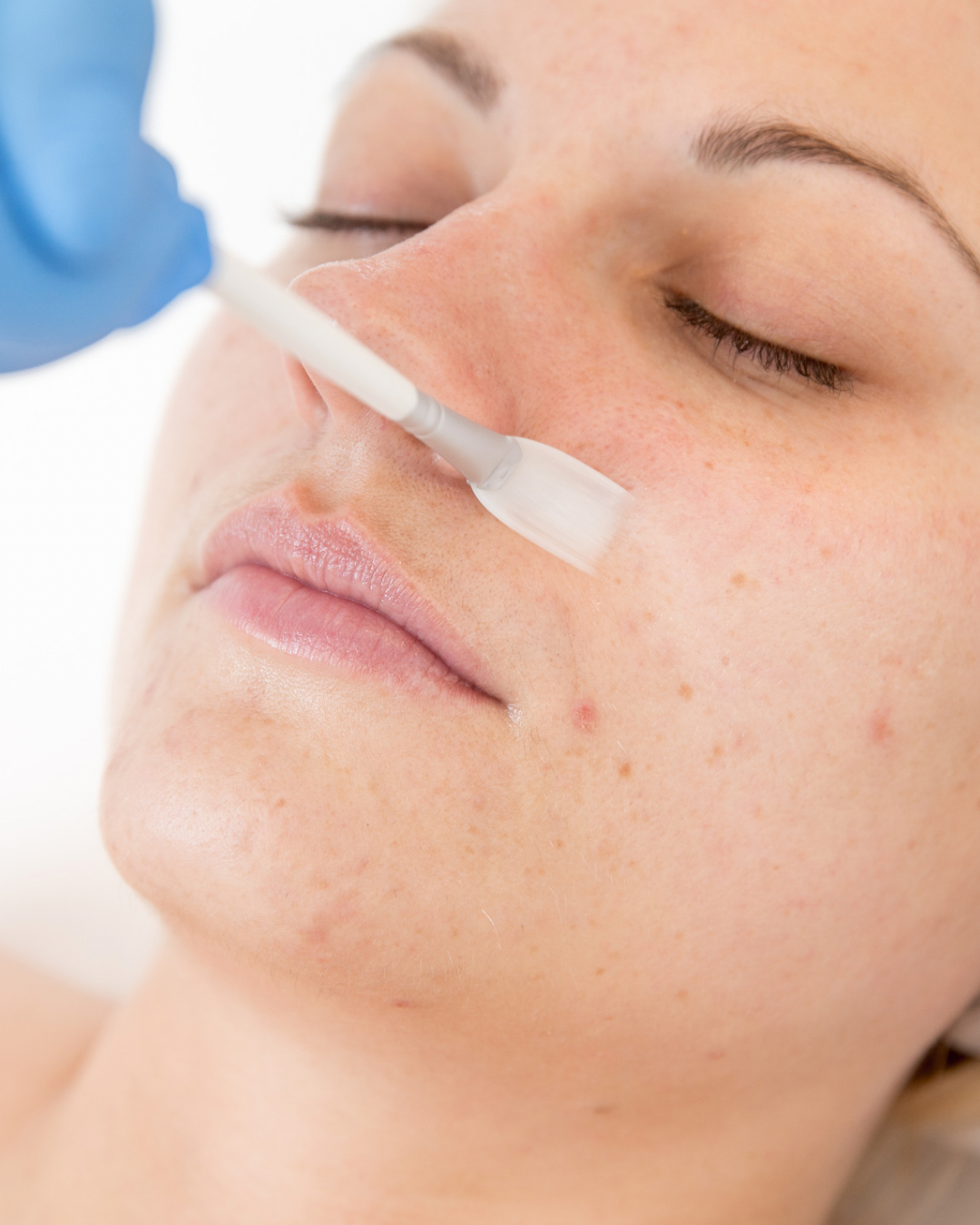
- Chemical Peels: Professional chemical peels remove the top layer of dead skin cells, brightening the skin and improving skin texture.
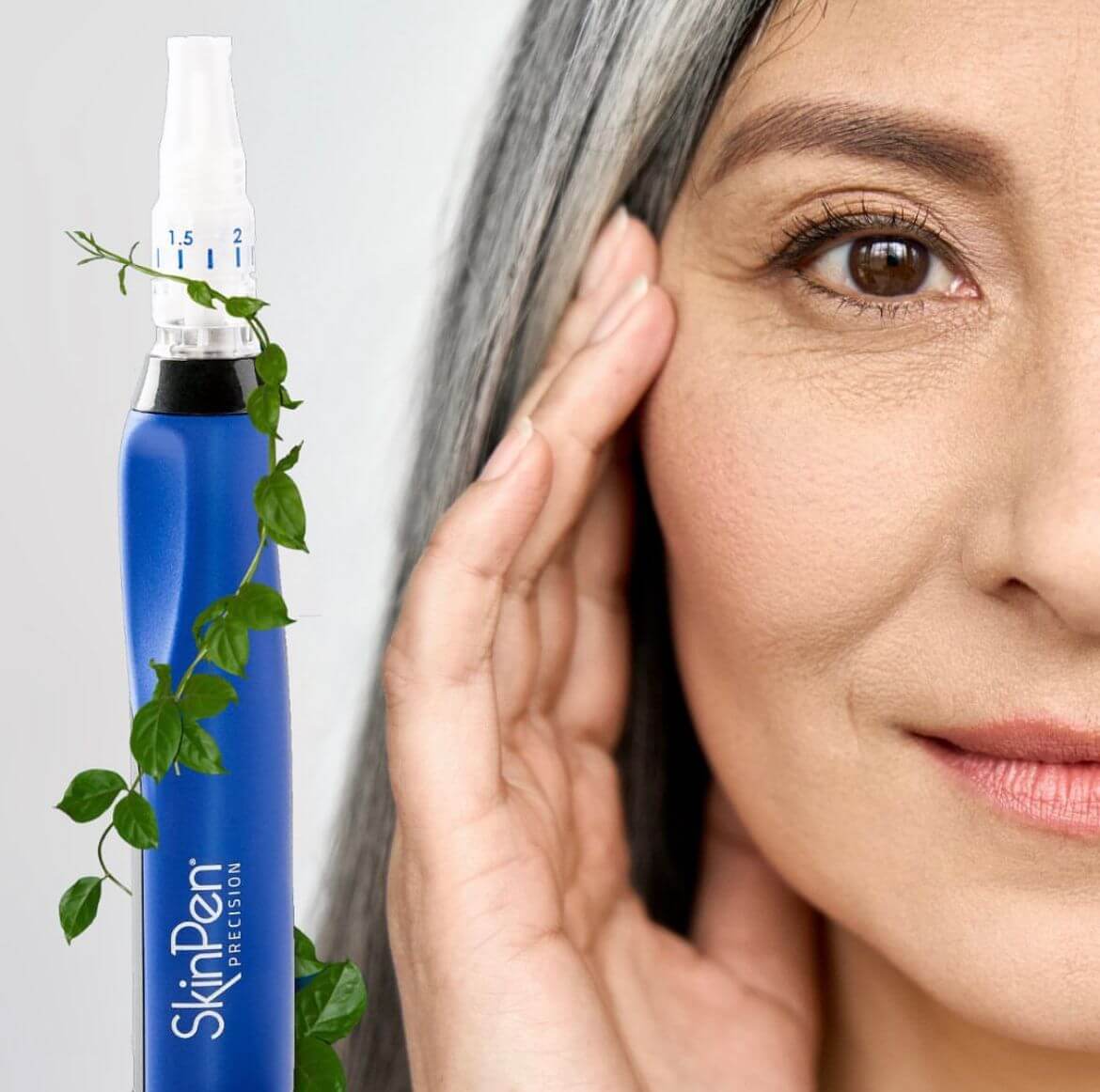
- Microneedling: Stimulates collagen production and enhances skin renewal, reducing pigmentation..
How Damalis Skin Clinic Supports You
At Damalis Skin Clinic, we specialise in achieving natural-looking, subtle rejuvenation. Dr. Steph’s approach is doctor-led, focusing on personalised, safe, and highly effective treatments tailored specifically for your skin condition. We prioritise patient education, equipping you with knowledge to maintain your skin health long-term and prevent further hyperpigmentation.
READ MOREPotential Treatments for Hyperpigmentation at Damalis Skin Clinic London
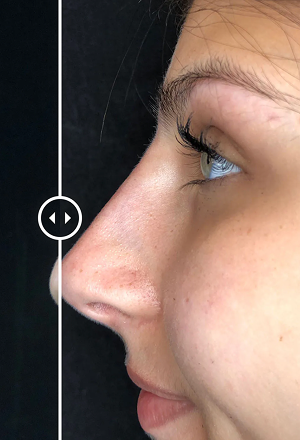
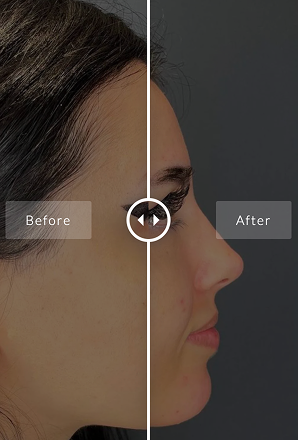
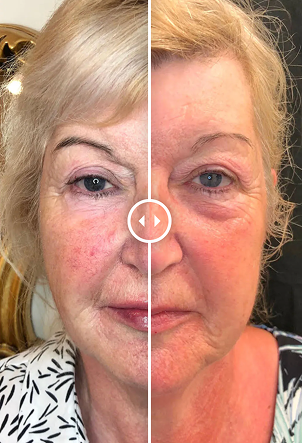
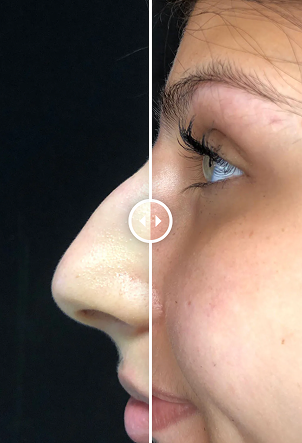
Hyperpigmentation BEFORE & AFTER
FAQs About Hyperpigmentation
What causes hyperpigmentation?
Hyperpigmentation is mainly caused by sun exposure, hormonal changes, inflammation, or skin injuries.
Can hyperpigmentation be prevented?
Protecting your skin from sun exposure and avoiding skin trauma can significantly reduce the risk.
Are home remedies effective for hyperpigmentation?
Home remedies may help temporarily, but professional treatments offer lasting results.
Does hyperpigmentation affect all skin types?
Yes, but it’s more common and often more visible in darker skin tones.
Is hyperpigmentation dangerous?
Hyperpigmentation itself is usually harmless, but it’s important to rule out serious conditions like skin cancer.
How long does hyperpigmentation take to fade?
It varies, but with treatment, visible improvement is often seen within weeks to months.
Can hyperpigmentation return after treatment?
Yes, especially if the underlying causes, such as sun exposure, are not addressed.
What is post-inflammatory hyperpigmentation?
It’s the darkening of the skin after inflammation or injury, such as acne scars or burns.
Is treatment for hyperpigmentation painful?
Treatments microneedling or chemical peels may cause mild discomfort, but we ensure your comfort throughout.
Why choose Damalis Skin Clinic for pigmentation treatment?
Our personalised, doctor-led approach ensures safe, effective results tailored specifically to your skin.